
The automotive industry is in the midst of a technological revolution. With the rapid integration of digital systems, artificial intelligence, and smart connectivity, modern vehicles are transforming from mere modes of transport into intelligent driving machines. From enhancing safety and comfort to enabling semi-autonomous navigation, these innovations are fundamentally changing the way we drive in 2025 and beyond.
In this article, we explore the top 10 car tech innovations that are redefining mobility and reshaping the global auto landscape—technologies that every driver, enthusiast, and industry observer should know.
1. Autonomous Driving Technology
Keywords: self-driving cars, autonomous vehicles, ADAS systems
Autonomous driving is one of the most groundbreaking automotive tech trends of our time. Advanced Driver Assistance Systems (ADAS)—like lane keeping assist, adaptive cruise control, and automatic emergency braking—have paved the way for higher-level autonomy.
In 2025, many manufacturers are rolling out Level 3 and Level 4 autonomous vehicles, which can handle most driving tasks under certain conditions with minimal human input. Companies like Tesla, Mercedes-Benz, and Waymo are at the forefront, with systems that interpret surroundings through a mix of LiDAR, radar, and AI-driven sensors.
Autonomous tech promises fewer accidents, reduced traffic congestion, and increased mobility for non-drivers and the elderly.
2. Vehicle-to-Everything (V2X) Communication
Keywords: V2X technology, connected cars, car-to-infrastructure communication
V2X (Vehicle-to-Everything) communication allows cars to exchange real-time data with other vehicles (V2V), infrastructure (V2I), and even pedestrians (V2P). This innovation enables safer, smarter driving decisions by providing information about road hazards, traffic signals, and upcoming congestion.
For example, a V2X-enabled vehicle can slow down automatically if it detects a red light up ahead or if another car is about to run a stop sign. With the widespread rollout of 5G networks, V2X is becoming faster and more reliable, pushing us closer to zero-accident roads.
3. Artificial Intelligence and Machine Learning
Keywords: AI in cars, predictive driving systems, smart vehicle software
Artificial intelligence plays a key role in the evolution of modern cars. AI-driven systems analyze driver behavior, traffic patterns, and vehicle diagnostics to improve safety and efficiency.
Some AI applications include:
-
Predictive maintenance alerts based on vehicle performance
-
Driver monitoring systems to detect fatigue or distraction
-
Voice assistants like Amazon Alexa or Google Assistant integration
-
Dynamic route optimization to avoid delays or hazards
By learning over time, AI enhances the personalization of the driving experience and increases operational efficiency.
4. Electric Vehicle (EV) Advancements
Keywords: EV technology, battery range, fast charging solutions
Electric vehicles continue to revolutionize the auto industry. Beyond eliminating tailpipe emissions, 2025 EVs boast impressive advancements in:
-
Battery efficiency and range (400+ miles on a single charge)
-
Solid-state batteries for faster charging and longer lifespan
-
Vehicle-to-grid (V2G) tech, allowing cars to send power back to homes
-
Integrated solar panels to power electronics or supplement range
Innovations from Tesla, Hyundai, and Rivian are redefining the EV landscape and making electric driving more practical and affordable than ever before.
5. Augmented Reality Dashboards and Head-Up Displays
Keywords: AR dashboards, HUD in cars, immersive driving experience
Augmented reality (AR) is enhancing in-car visibility and navigation. AR dashboards and head-up displays (HUDs) project critical driving information—like speed, navigation cues, and hazard alerts—directly onto the windshield.
This reduces driver distraction and provides a more immersive, futuristic driving experience. BMW, Audi, and Mercedes-Benz are integrating AR HUDs that adjust in real-time based on driving conditions, making navigation seamless and intuitive.
6. Biometric Access and Driver Identification
Keywords: car biometrics, fingerprint start, facial recognition in cars
Forget keys and fobs—cars in 2025 are leveraging biometric technology for enhanced security and personalization. Features include:
-
Fingerprint ignition systems
-
Facial recognition to unlock or adjust settings
-
Iris scanners for driver verification
-
Heart rate monitors for health and wellness tracking
These innovations provide personalized vehicle profiles, adjusting seat positions, climate control, and infotainment based on the identified driver—boosting both security and comfort.
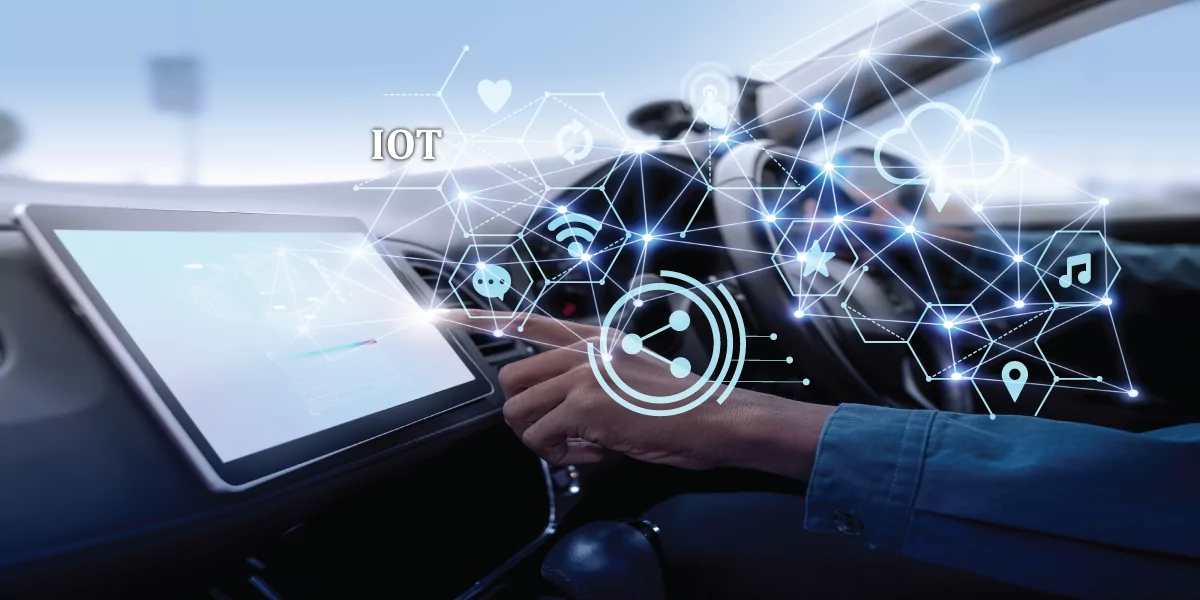
7. Advanced Infotainment and In-Car Connectivity
Keywords: car infotainment system, Android Auto, Apple CarPlay, in-car apps
In-car entertainment has moved far beyond AM/FM radios. Today’s vehicles are mobile command centers equipped with:
-
Touchscreen infotainment systems with intuitive UX
-
Wireless Apple CarPlay and Android Auto integration
-
Streaming services, navigation, real-time weather updates
-
Voice command interfaces and AI-driven personalization
In 2025, we’re also seeing embedded 5G modems, allowing real-time software updates, multi-device connectivity, and faster streaming—even while on the road.
8. Over-the-Air (OTA) Software Updates
Keywords: car OTA updates, remote software upgrade, vehicle firmware
Over-the-air (OTA) updates enable manufacturers to remotely install performance improvements, safety patches, and new features—without a visit to the dealership.
Tesla pioneered this feature, but now nearly all major automakers are following suit. OTA updates ensure that vehicles remain up-to-date, secure, and future-ready over their lifecycle, just like smartphones.
This also allows automakers to monetize post-sale services by offering subscription-based features such as enhanced driver assist or entertainment options.
9. Smart Parking and Autonomous Valet
Keywords: automated parking systems, self-parking cars, valet technology
Parking in crowded urban areas has always been a challenge—but not anymore. Smart parking technologies are enabling cars to:
-
Find available spaces using real-time sensor data
-
Park themselves using cameras and ultrasonic sensors
-
Summon themselves from a parking lot to the curb
Brands like BMW and Tesla offer autonomous valet systems that take full control of the car for parking without human intervention. This makes tight spaces and parallel parking stress-free and damage-free.
10. Sustainable Materials and Green Manufacturing
Keywords: eco-friendly vehicles, sustainable car interiors, recycled automotive materials
Beyond powertrains, carmakers are prioritizing sustainability in manufacturing and materials. Innovations include:
-
Vegan leather and recycled plastic in interiors
-
Natural fiber composites replacing petroleum-based materials
-
Carbon-neutral production facilities powered by renewable energy
-
Closed-loop battery recycling for EV components
Companies like Polestar and BMW are leading the way, offering vehicles with net-zero emissions from factory to showroom, aligning with global climate goals.
The Impact of Car Tech on Driver Behavior and Safety
Keywords: driving safety technology, driver habits, smart road systems
All of these innovations are converging to create a safer, more efficient driving environment. Real-time data sharing, automated systems, and predictive analytics are:
-
Reducing road accidents and fatalities
-
Enhancing driver situational awareness
-
Minimizing traffic congestion and emissions
-
Improving vehicle uptime and reliability
As a result, drivers are becoming more reliant on smart systems—a shift that requires new digital driving literacy and trust in machine-assisted navigation.
Future Outlook: What’s Next in Automotive Technology?
Keywords: future car trends, mobility innovation, autonomous transport
By 2030, we can expect even more transformational changes, including:
-
Fully autonomous robo-taxis and commercial vehicles
-
Flying cars and urban air mobility solutions
-
Hyper-personalized vehicles through AI and DNA-based preferences
-
Energy-autonomous vehicles powered by renewable sources
The integration of blockchain for vehicle identity and transactions, edge computing for real-time analysis, and quantum computing for traffic management are also on the horizon.
The pace of innovation suggests that the next five years will change more than the last fifty—and car tech is leading the charge.
Conclusion: Driving into the Future
Keywords: smart vehicles, car technology 2025, future of driving
Technology is no longer just an added feature in cars—it’s the driving force behind the future of mobility. From autonomous navigation and electrification to biometric security and sustainable materials, the top car tech innovations of 2025 are creating a safer, greener, and more connected driving experience.
As consumers become more tech-savvy, these features are not just desirable—they’re expected. For automakers, staying ahead of the curve isn’t just a competitive edge—it’s a survival strategy.
Whether you’re an everyday driver, auto enthusiast, or industry stakeholder, understanding these technologies will help you navigate the future of transportation with confidence.
Frequently Asked Questions (FAQs)
1. What is the most important car technology in 2025?
Autonomous driving and vehicle connectivity (V2X) are considered the most transformative car tech trends shaping the industry in 2025.
2. Are all new cars equipped with over-the-air (OTA) updates?
Not all, but an increasing number of new vehicles—especially EVs—now include OTA capability for updating software and adding features remotely.
3. How does V2X technology improve safety?
V2X enables cars to communicate with each other and infrastructure, helping avoid collisions, reducing congestion, and alerting drivers to hazards in real time.
4. What car brands are leading in tech innovation?
Tesla, BMW, Audi, Mercedes-Benz, Hyundai, and Polestar are at the forefront of integrating cutting-edge technologies into their vehicle lineups.
5. Will all cars be electric and autonomous by 2030?
While full adoption varies by region, the majority of new vehicle development is focused on electric and semi-autonomous platforms, indicating a strong shift by 2030.