
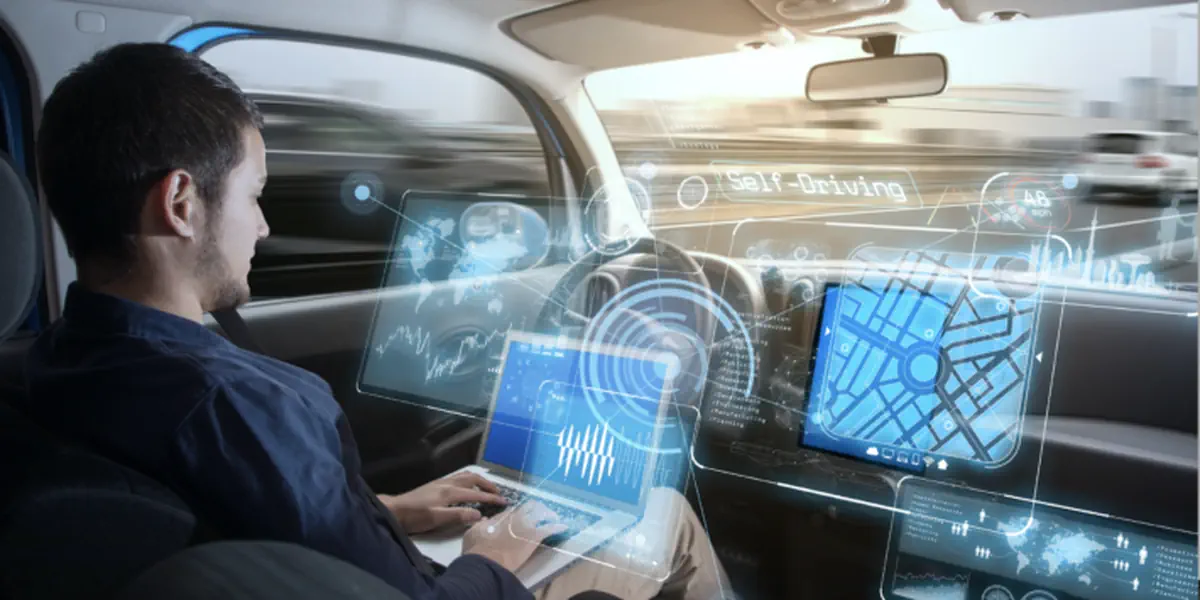
The automotive industry is undergoing a seismic shift. What began as a vision for smarter, safer roads is rapidly becoming a reality: autonomous vehicles (AVs) are no longer a concept of the distant future—they are reshaping the way we think about mobility today.
As self-driving technologies evolve, they are disrupting traditional car manufacturing, redefining ownership models, and creating a new ecosystem of mobility services. In this article, we dive into how autonomous vehicles are changing the auto industry, exploring their impact on carmakers, consumers, infrastructure, logistics, and urban planning.
Understanding Autonomous Vehicles: Levels of Autonomy
Keywords: SAE levels of autonomy, self-driving car technology, autonomous vehicle classification
Before we explore the disruption, it’s essential to understand the five levels of driving automation as defined by the Society of Automotive Engineers (SAE):
-
Level 0: No automation
-
Level 1: Driver assistance (e.g., adaptive cruise control)
-
Level 2: Partial automation (steering and acceleration control, but driver required)
-
Level 3: Conditional automation (car drives itself, but driver must intervene when alerted)
-
Level 4: High automation (car drives itself within set conditions; no human input required)
-
Level 5: Full automation (completely autonomous in all environments)
As of 2025, most autonomous vehicle programs operate at Level 2 or Level 3, but significant strides are being made toward Level 4 autonomy in urban and commercial settings.
The Rise of AV Technology: Key Players and Innovations
Keywords: autonomous driving companies, AV startups, AV technology trends
Several major tech and auto companies are investing heavily in autonomous driving systems:
-
Tesla Autopilot and Full Self-Driving (FSD)
-
Waymo by Alphabet (Google)
-
Cruise backed by General Motors
-
Aurora Innovation
-
Apple’s Project Titan
-
Mobileye (Intel)
AVs use a combination of LiDAR, radar, GPS, cameras, and AI to detect their surroundings and make decisions. The integration of deep learning algorithms allows vehicles to adapt to complex road conditions in real-time.
Disruption in Vehicle Manufacturing and Design
Keywords: electric autonomous cars, automotive design innovation, car production disruption
Autonomous vehicles are disrupting how cars are designed and built:
-
No need for driver-centric design: Steering wheels, pedals, and traditional dashboards may become optional in Level 5 AVs.
-
Shared mobility focus: Automakers are shifting toward modular, spacious interiors ideal for ridesharing and ride-hailing services.
-
Electric powertrains dominate: Most AV prototypes are electric, combining sustainability with autonomy.
This shift is forcing traditional car manufacturers to rethink R&D strategies, invest in new software-driven platforms, and partner with tech firms to remain competitive.
Changing the Consumer Experience and Vehicle Ownership
Keywords: autonomous ride-hailing, mobility-as-a-service, future of car ownership
The era of vehicle ownership may be ending. With AVs, we’re moving toward a model where transportation is:
-
On-demand
-
Subscription-based
-
Shared and autonomous
This model, known as Mobility-as-a-Service (MaaS), allows users to access self-driving cars like they do ride-sharing apps today. Companies like Uber, Lyft, and Cruise are piloting robotaxi services in select cities.
The benefits include:
-
Lower transportation costs
-
Reduced need for parking
-
Enhanced mobility for seniors and disabled users
-
Greater flexibility and freedom for users
Urban Transformation: How Cities Are Adapting to AVs
Keywords: smart cities, autonomous urban planning, transportation infrastructure
Autonomous vehicles are reshaping cities through:
-
Reduced traffic congestion
-
Less space needed for parking lots
-
Dedicated AV lanes and drop-off zones
-
Integration with public transport
Cities like San Francisco, Singapore, and Dubai are investing in smart infrastructure with connected traffic signals, AV-ready intersections, and data-sharing platforms to support autonomous mobility.
Urban planners now prioritize mixed-modal transit systems, where AVs, e-scooters, subways, and bicycles coexist for efficient, low-emission mobility.
Safety and Insurance: Reducing Human Error
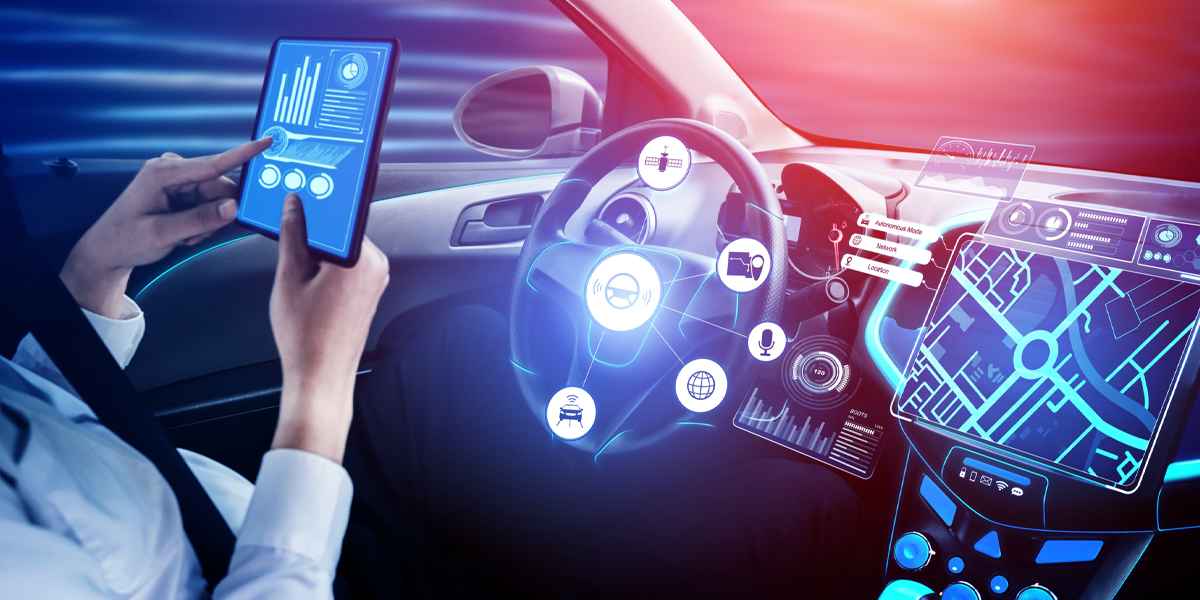
Keywords: AV safety benefits, autonomous accident reduction, insurance disruption
One of the most cited benefits of autonomous vehicles is improved road safety. Human error accounts for over 90% of road accidents, according to the World Health Organization.
AVs are programmed to:
-
Maintain safe distances
-
Follow traffic laws precisely
-
React faster than human drivers
-
Avoid distractions and impaired driving
However, this also disrupts the car insurance industry. Insurers must now:
-
Shift coverage from driver liability to product and software liability
-
Develop usage-based insurance (UBI) models
-
Work with automakers on real-time data sharing
Economic Impact and Job Market Shifts
Keywords: autonomous vehicle economy, job loss from AVs, transportation industry changes
While AVs create new jobs in tech, data, and infrastructure, they also pose risks to sectors like:
-
Taxi and rideshare drivers
-
Truck and delivery drivers
-
Auto mechanics specializing in ICE vehicles
Economists estimate that millions of driving-related jobs could be automated over the next decade. This disruption demands upskilling, reskilling, and workforce adaptation strategies to manage economic shifts responsibly.
At the same time, new roles emerge in:
-
AV fleet management
-
Remote AV operators (Level 3-4 backup)
-
Cybersecurity and software development
-
Sensor and LiDAR maintenance
Environmental Benefits and Sustainability
Keywords: green mobility, zero emissions transport, eco-friendly AVs
Autonomous vehicles, especially when combined with electric drivetrains, support global sustainability goals:
-
Lower carbon emissions
-
Improved fuel efficiency through optimized driving patterns
-
Reduced traffic congestion and idling time
-
Less wear-and-tear on roads and tires
A 2025 MIT study found that large-scale adoption of AVs could cut transportation-related emissions by up to 40%, especially when used in shared mobility fleets powered by renewables.
AVs in Commercial Logistics and Delivery
Keywords: autonomous delivery vehicles, self-driving trucks, last-mile delivery tech
AVs are transforming logistics and freight industries through:
-
Self-driving trucks from companies like TuSimple and Aurora
-
Autonomous last-mile delivery robots (e.g., Nuro, Starship Technologies)
-
Warehouse automation integrating AVs with inventory systems
This results in:
-
Faster delivery times
-
Lower labor costs
-
24/7 delivery capability
-
Enhanced supply chain visibility
Retail giants like Amazon and Walmart are heavily investing in AV delivery infrastructure to future-proof their logistics models.
Regulatory Challenges and Ethical Considerations
Keywords: AV regulations 2025, autonomous driving laws, AI ethics in cars
Despite technological progress, regulatory and ethical hurdles remain:
-
Who is liable in an AV accident—driver, manufacturer, or software provider?
-
How should an AV prioritize lives in crash scenarios?
-
What privacy concerns arise from constant data collection?
Governments must update traffic laws, safety standards, and cybersecurity frameworks to keep up with AV evolution. The EU, U.S., and China are all exploring frameworks for certifying and regulating self-driving cars on public roads.
The Road Ahead: What to Expect by 2030
Keywords: autonomous vehicle future, AV timeline, driverless cars forecast
By 2030, experts predict:
-
Over 50% of new vehicles sold will feature autonomous capabilities
-
Major cities will deploy AV-exclusive zones
-
Global AV market will surpass $800 billion in value
-
Driverless public transport will become widespread
While full autonomy (Level 5) across all terrains is still years away, narrow applications like robo-taxis, delivery AVs, and shuttle pods will become commonplace, especially in urban environments and controlled zones.
Conclusion: A New Era of Smart Mobility
Keywords: future of transportation, self-driving cars 2025, mobility innovation
Autonomous vehicles are not just another innovation—they represent a fundamental disruption to the global transportation system. By eliminating the need for a human driver, AVs are changing how we build cars, move people and goods, design cities, and structure our economies.
As we move into this new era, businesses, governments, and individuals must prepare for a mobility landscape defined by:
-
Software-driven transport
-
Shared and electric vehicle fleets
-
Smart infrastructure and data systems
-
Sustainable and accessible movement
In the end, the success of autonomous mobility depends not only on technology but on collaboration, policy, and public trust.
Frequently Asked Questions (FAQs)
1. What are the biggest benefits of autonomous vehicles?
They include improved road safety, reduced traffic congestion, lower emissions, enhanced mobility access, and more efficient transportation systems.
2. Are autonomous vehicles available to the public in 2025?
Yes. Limited AV services such as robo-taxis (e.g., Waymo, Cruise) are available in select cities with more widespread use expected in the coming years.
3. How do self-driving cars detect obstacles and navigate?
They use a combination of LiDAR, cameras, radar, GPS, and AI algorithms to understand and respond to their environment in real time.
4. Will autonomous vehicles eliminate driving jobs?
While some driving jobs may be replaced, new roles in AV maintenance, software, and remote monitoring are being created. Workforce adaptation will be key.
5. Are AVs better for the environment?
Yes—especially when electric. Autonomous driving reduces fuel consumption, optimizes routes, and supports lower-emission transportation.